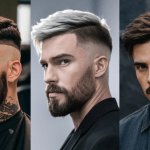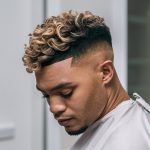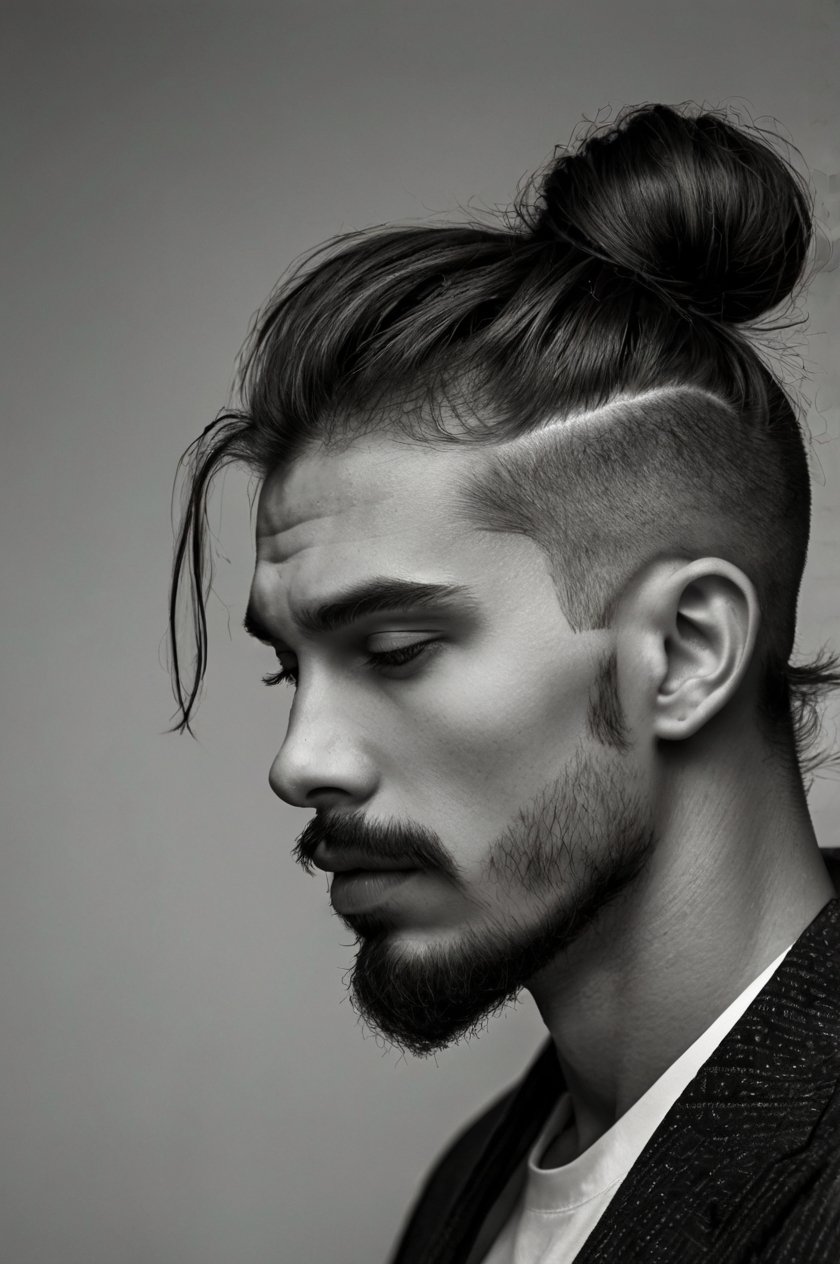
Choosing a new haircut is often treated as a simple matter of showing a barber a photograph and asking for the same look. In reality, a haircut that looks excellent on one man can look completely different on another because hair density, growth direction, face shape, forehead height, and styling habits all affect the final result.
That is why the best haircut is not necessarily the one that is getting the most attention online. It is the one that works with the hair you actually have and fits the way you live.
A useful reference photo can show the general direction, but understanding the structure behind the haircut makes it much easier to choose something that will still look good after you leave the barbershop.
Start With Your Hair, Not the Trend
Before choosing a haircut, look at your natural hair characteristics.
Straight hair usually gives you greater control over clean shapes, defined fringes, side parts, slick backs, and structured tops. Wavy hair naturally adds movement, which can make textured cuts appear fuller without much styling.
Curly and coily hair require a different approach because the visible length changes as the hair contracts. A style that appears medium length when wet can look considerably shorter once dry. Density also matters because thick hair can create significant volume around the sides and crown.
Fine hair presents another consideration. Removing too much weight may make it appear thinner, while retaining strategic length and using texture can create a fuller-looking shape.
This is one reason a haircut should be adapted rather than copied exactly from a photograph.
Understand What the Sides Are Doing
The sides have a major effect on the overall appearance of a men’s haircut.
A low taper keeps most of the side structure intact and concentrates the shortening around areas such as the temples, sideburns, and neckline. The result is generally subtle and connected rather than dramatically disconnected.
For men who want this type of controlled finish, a low-taper style can work as a foundation for everything from textured tops to curls, fringe, quiffs, curtains, and longer hairstyles.
A mid fade moves the transition higher and creates more visible contrast through the sides. It can make the top appear more prominent and gives the haircut a stronger, cleaner silhouette.
Neither approach is automatically better.
The question is what you want the sides to accomplish.
If you want to preserve fullness and prefer a softer transition, a low taper may make more sense. If you want the sides to create stronger contrast around a longer or more structured top, a mid fade may be the better direction.
Low Taper or Mid Fade? Think About Contrast
The difference between these two approaches becomes particularly noticeable from the side and rear views.
A low taper tends to preserve more of the natural shape around the upper sides. That can be useful for men with thick hair who do not want their haircut to look excessively narrow.
A mid fade removes more side weight and places the visual transition farther up the head. This can make a textured crop, quiff, brushed-up style, or other voluminous top stand out more clearly.
The decision should also account for the shape of the head.
If the sides naturally project outward around the parietal ridge, removing too much hair in the wrong location can make the head appear wider or create an unwanted shelf. A skilled barber should work with that structure rather than blindly following a clipper guideline.
For visual reference, a detailed medium fade haircut guide can be especially useful when comparing different top lengths, textures, and fade placements.
Your Face Shape Should Influence the Silhouette
Face shape should not be treated as a rigid rulebook. Haircut recommendations are more useful when they explain how proportions can be adjusted.
Oval Face
An oval face is generally versatile because its proportions allow many different silhouettes. You can experiment with fades, tapers, fringe, textured tops, side parts, and longer styles.
The main consideration is usually maintaining a balanced relationship between the forehead, sides, and chin rather than adding unnecessary height.
Round Face
Men with rounder facial proportions may prefer some vertical structure. A textured top, quiff, or controlled volume can visually lengthen the face.
Keeping excessive width around the sides under control can also create a cleaner overall profile.
Square Face
A square face already has strong structural definition, so both short and textured styles can work well.
A neat fade can emphasize the jawline, while a softer textured top can make the appearance less rigid.
Oblong or Rectangular Face
If the face is noticeably longer than it is wide, extreme height on top may exaggerate that proportion.
A moderate top with some side presence can create a more balanced silhouette.
Diamond or Heart-Shaped Face
These shapes often benefit from careful attention to the forehead, cheekbones, and jawline.
Fringe, side-swept styling, textured layers, and controlled side volume can all be adjusted to distribute visual weight more evenly.
The important point is that face shape should guide the haircut rather than dictate it.
The Fringe Can Completely Change the Haircut
One of the easiest ways to change the character of a haircut is to alter the front.
A short, straight fringe can make a haircut feel structured and compact. A textured fringe introduces movement. A side-swept front can soften the appearance, while a longer curved fringe creates a more fashion-oriented silhouette.
Comma hair is a good example of how one front detail can become the defining feature of an entire haircut.
The curved fringe gives the style its recognizable identity, while the sides and back can be adapted with tapers, fades, layers, or other structures. This makes comma-inspired hairstyles for men useful for men who want a softer, expressive front without committing to a completely long hairstyle.
The lesson is broader than that particular trend: when selecting a haircut, pay attention to the front profile instead of looking only at the fade.
Consider How Much Styling You Actually Want to Do
A hairstyle can look perfect in a photograph because someone spent time preparing it.
That does not mean you will enjoy maintaining it every morning.
Ask yourself a few practical questions before choosing a cut:
- How much time do you normally spend styling your hair?
- Are you comfortable using a blow dryer?
- Do you want a natural finish or a controlled shape?
- Will you use styling products every day?
- Does your hair hold its shape naturally?
- How frequently are you willing to visit a barber?
If you want minimal effort, shorter textured styles, crops, crew cuts, and restrained tapers can be practical.
If you enjoy styling, a longer top opens up considerably more possibilities. You can change the direction, texture, volume, and finish without changing the underlying haircut every time.
The best hairstyle is one you can realistically maintain.
Don’t Ignore Hair Growth Patterns
Hair rarely grows perfectly symmetrically.
A crown may naturally rotate in one direction. One temple may sit higher than the other. The front hairline may have a cowlick, widow’s peak, or uneven density.
These characteristics become important when choosing a haircut.
A reference photograph shows another person’s growth pattern, not yours. Your barber may need to change the length or direction slightly to make the finished cut behave naturally.
This is especially important with fringes, slick backs, side parts, and hairstyles that depend on controlled direction.
Instead of asking for an exact copy, explain what you like about the photograph.
You might say that you want the same amount of contrast, a similar fringe shape, or the same general silhouette. That gives the barber room to adapt the haircut to your own hair.
A Good Barber Consultation Should Be Specific
“Give me something modern” does not provide much useful information.
A better consultation covers the details that actually affect the result.
Tell your barber:
- How short you want the sides.
- Whether you want a taper, low fade, mid fade, or stronger fade.
- How much length you want to retain on top.
- Whether you want texture or a smoother finish.
- How you normally style your hair.
- Whether you want the hairline natural or sharply defined.
- How much maintenance you are comfortable with.
- Whether you want the neckline tapered, rounded, or squared.
Then show a reference photograph.
The photograph gives the barber a visual target, while your explanation provides the information needed to adapt it.
Think About Grow-Out Before You Leave the Chair
A haircut should not only look good on the first day.
Some highly defined fades look excellent when freshly cut but lose their sharpness quickly. A softer taper may remain presentable for longer because the transition is less dependent on extreme contrast.
This is particularly useful for men who do not want frequent barber appointments.
The same principle applies to longer hairstyles. A cut with properly distributed weight can continue to look intentional as it grows, while a poorly balanced shape may become difficult to manage within a few weeks.
Ask your barber how the haircut will change as it grows.
That simple question can prevent a lot of frustration.
Use Inspiration as a Starting Point, Not a Blueprint
Online hairstyle galleries are valuable because they expose you to combinations you may not have considered.
But the strongest approach is to identify the specific detail you like.
Maybe it is the low taper around the temples.
Maybe it is the amount of texture on top.
Maybe it is the curved fringe.
Maybe it is the contrast created by a mid fade.
Maybe the appeal comes from the overall length rather than the haircut itself.
Once you identify that detail, you can build a version around your own hair.
This approach also makes it easier to communicate with your barber because you are discussing the actual design rather than relying on a haircut name that can mean slightly different things from one barber to another.
Build a Haircut Around Your Lifestyle
A good haircut should fit into your routine rather than create another task you have to manage.
Someone working in a conservative professional environment may prefer a controlled taper, moderate length, and natural finish.
Someone who enjoys fashion-forward grooming may prefer stronger contrast, longer layers, expressive fringe, or a more noticeable fade.
An athlete may prioritize hair that stays manageable during activity.
Someone with naturally thick or curly hair may want a cut that controls the perimeter while allowing the natural texture to remain visible.
There is no universally perfect men’s haircut.
There is only a haircut whose proportions, maintenance requirements, texture, and styling demands make sense for the person wearing it.
Final Thoughts
Choosing a men’s haircut becomes much easier when you stop treating the haircut name as the most important decision.
Start with your natural hair. Look at its density, texture, growth direction, and existing shape. Then consider your face proportions, the amount of contrast you want around the sides, the appearance of the front, and how much daily styling you are realistically willing to do.
For more practical men’s hairstyle inspiration, readers can also browse Maneva Magazine’s men’s hairstyle guides for additional haircut ideas, styling advice, and visual references.
A low taper can provide a restrained, versatile foundation. A mid fade can introduce stronger contrast. A distinctive fringe such as comma hair can completely change the personality of the same basic haircut.
The goal is not to copy someone else’s hairstyle perfectly.
The goal is to take the parts that work, adapt them to your own proportions, and leave the barbershop with a cut that still makes sense when the photograph is no longer in front of you.